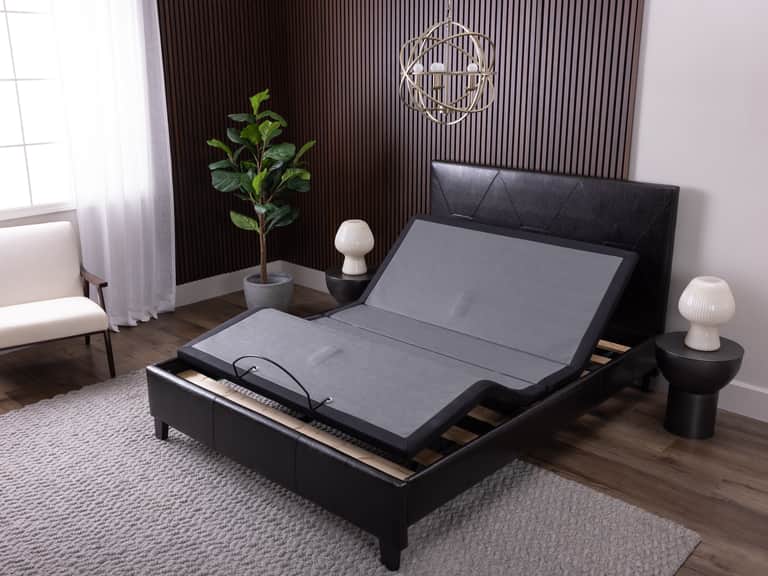
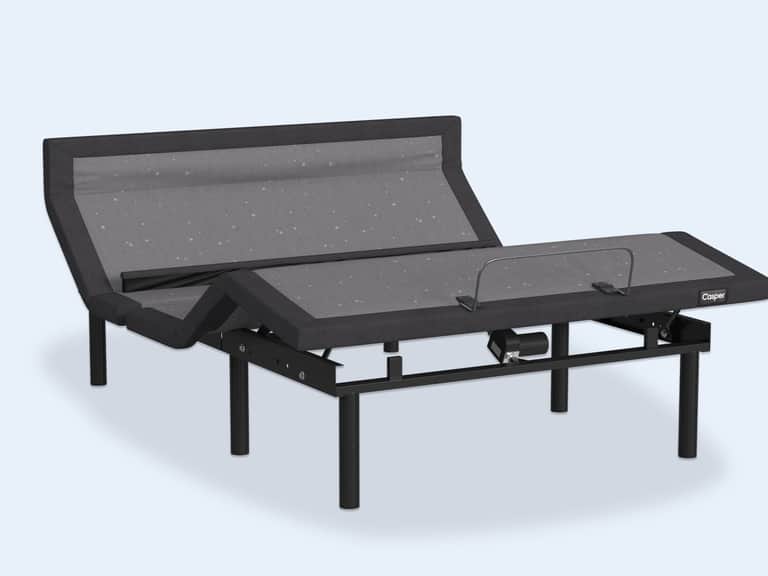
A Practical Guide to Choosing Organic Materials for Adjustable Bed Bases
In an era when every tier of our daily ritual—sleep included—can be measured, optimized, and certified, the choice of materials for an adjustable bed base matters more than a mere preference. It is a decision that aggregates comfort, health, and planetary stewardship into a single, daily act of care. This guide unfolds the world of organic materials available for adjustable bed bases, weighing comfort against durability, and transparency against claims. It is written for eco-conscious sleepers, ergonomics enthusiasts, and anyone who believes that a foundation should be as thoughtful as the sleep it bears.
The topic sits at the crossroads of tactile experience and environmental accountability. An adjustable bed base does more than tilt, elevate, or massage; it shapes how you wake, how you align your spine through the night, and how you interact with the space around you when you rise. The organic dimension signals not just the absence of synthetic additives, but a broader commitment to materials whose sourcing, processing, and life cycle reflect a respect for ecosystems and human health.
This article surveys core organic options—organic cotton, natural latex, wool, and responsibly sourced wood—and explains how each interacts with the mechanics of adjustability. It also provides a pragmatic framework for evaluating certifications, lifecycle impact, and practical maintenance that extends longevity. The aim is to empower readers to make informed choices without surrendering comfort or practicality.
1) Understanding the promise of organic materials in adjustable bases
The phrase “organic materials” in the context of sleep foundations carries two intertwined promises: personal well-being and environmental mindfulness. First, organic materials are typically cultivated without synthetic pesticides or genetically modified inputs, reducing potential chemical exposure. Second, many organic options come with certification schemes that offer verifiable standards—transparency that helps consumers distinguish between marketing claims and measurable reality.
An adjustable base is a dynamic system. The topography of the frame, the articulation of the head and foot, and the interplay with a mattress or platform all influence how materials behave under pressure, heat, and repeated positioning. Organic materials must therefore not only deliver comfort but also withstand the wear that comes with constant motion.
2) Core organic material options for adjustable bases
Organic cotton
Organic cotton offers a breathable, soft foundation layer that can serve as a durable, low-toxicity cover or upholstery component. In the context of an adjustable base, cotton fabrics can help regulate surface temperature and provide a comfortable touch against the skin as the frame glides through its programmable positions. The fiber’s natural properties support airflow, which is particularly valuable for sleepers who tend toward night sweats or warm climates.
Natural latex
Natural latex has long been valued for its elasticity, resilience, and temperature moderation. When used in bedding, latex can offer consistent support while returning to shape after compression from a raised head or foot. For adjustable bases, latex components—whether in cushions, panels, or integrated foam layers—contribute to stable lift and responsive feel without a heavy, sinking sensation. Certified organic latex often accompanies a breathable, cotton-knit or perforated cover to enhance airflow.
Wool
Wool is celebrated for moisture management, temperature regulation, and natural flame resistance. In an adjustable framework, wool can appear as a compact insulation layer, a resilient padding option, or part of a layered comfort system. Its ability to wick away moisture helps maintain a dry microclimate even as the bed adjusts through multiple cycles of elevation.
Responsibly sourced wood
Wood remains the backbone of many structural elements in bed bases. When wood is responsibly sourced—such as FSC-certified varieties—it aligns with broader sustainability goals. Wood components can provide robust support, reliable motion, and a longer lifespan when joined with durable hardware and finishes that are non-toxic. The choice of wood type, grain orientation, and finish all influence the stiffness, resilience, and acoustic profile of the base as it moves.
Quick reminder: the goal is to balance comfort with environmental responsibility. Each material interacts with the mechanics of adjustability in its own way, and the best choice often comes from a thoughtful combination rather than a single material.
3) Certification and verification: decoding claims
A critical part of selecting organic materials is understanding what certification stamps actually certify. A few widely recognized marks include:
- GOTS (Global Organic Textile Standard): for organic textiles, including fabrics used on covers and upholstery.
- FSC (Forest Stewardship Council): for wood and wood-based components, ensuring responsible forestry practices.
- GOLS (Global Organic Latex Standard): for organic latex products, verifying organic content and processing standards.
- Additional third-party testing for emissions and chemical safety can provide broader assurance about the absence of harmful substances.
Certifications function as a form of social proof in a market where materials are often described with persuasive language. When evaluating claims, look for the scope of certification (material vs. finished product), the geographic origin of the certification body, and whether the standard encompasses entire supply chains or only isolated components.
4) Practical evaluation framework for organic materials
To translate material theory into a usable purchasing or DIY strategy, consider a concise evaluation framework:
- Durability under motion: Will the material maintain structure over repeated articulation cycles?
- Comfort and support: Does the material contribute to spinal alignment and pressure distribution in various sleeping positions?
- Thermal performance: Is there sufficient breathability to prevent heat buildup?
- Maintenance and longevity: How easy is it to clean, rotate, or refresh the material?
- Certifications and transparency: Are claims verifiable through recognized standards?
If you are weighing two configurations—for instance, a latex-infused platform with a wool padding layer versus a cotton-cover-only frame—the decision might hinge on your climate, sleeping position, and sensitivity to heat. A latex layer may offer more durable support for restless sleepers, while cotton covers can enhance comfort with a lighter touch. Wool inserts might excel in drier climates, absorbing and releasing moisture efficiently.
5) Maintenance, care, and longevity
Organic materials require mindful care to preserve their functional and environmental benefits. Here are some practical tips:
- Follow manufacturer guidelines for cleaning and rotation to prevent uneven wear.
- Use protective covers that are themselves organic or at least non-toxic and breathable, which helps extend the life of fills and paddings.
- Avoid exposure to direct sunlight on wood finishes and natural fibers, as UV exposure can degrade fibers and fade finishes over time.
- Periodically inspect joins, screws, and frame integrity to maintain structural support as the base flexes with use.
6) Practical alignment with sleep ergonomics
An adjustable base is most beneficial when it is part of an ergonomic sleep system. The alignment of the spine, neck, and hips depends on the interplay between the base, the mattress, and the pillow setup. Organic materials contribute healthful complements to this system—organic cotton covers prevent skin irritation where fabric quality matters; natural latex supports targeted regions without adding synthetic stiffness; wool regulates temperature at the sleeper’s core areas; responsibly sourced wood ensures a stable, non-toxic foundation.
7) A thoughtful approach to product discovery
When exploring the market for an adjustable base with organic materials, start with a prioritization of materials that align with your values and climate. If you sleep hot, you may prioritize breathable latex and cotton covers with open-cell structures that promote airflow. If you live in a damp environment, wool’s moisture management can be a differentiator. For those who prize longevity and a timeless aesthetic, a robust wooden frame with a natural finish, sourced responsibly, offers both durability and visual warmth.
It is also prudent to consider how a base integrates with your existing bedding ecosystem. The best configuration often emerges from synergy: a base that provides the right lift and contour, a mattress that complements that contour, and organic accessories—covers, sheets, and pillows—that preserve the integrity of the materials and support a healthy sleep climate.
8) A note on consumer empowerment and transparency
In a marketplace crowded with claims of sustainability, transparency becomes a powerful tool. By seeking out products that disclose full material composition, supply chain practices, and third-party certification results, you advance not only your own sleep quality but also the discipline of responsible manufacturing. The origin stories behind organic materials—from organic farming practices to the mill floor where textiles are slaved over until their fibers align—are not merely technocratic footnotes. They are narratives of stewardship that can and should influence daily choices.
9) Integrating organic materials into a real-world setup
Suppose you are configuring an adjustable base with a natural latex layer and a wool-infused padding beneath a bamboo-wood frame. The latex offers resilient lift, enabling smooth articulation and predictable support as you adjust positions for reading, gaming, or sleep. Wool provides temperature moderation to keep the surface comfortable, while bamboo or sustainably sourced wood supports a clean, minimal aesthetic and durable performance. The practical takeaway is that organic materials perform best when their roles are clearly defined and matched to the base’s mechanical demands.
10) A closing reflection
The bed is not merely a place of rest; it is a crafted intersection of material science, biomechanics, and environmental conscience. Choosing organic materials for adjustable bed bases is a commitment to comfort that respects the body and the planet. It is a decision that rewards ongoing curiosity: to learn about certifications, to observe how materials interact with airflow and heat, and to measure the real-world impact of our daily decisions.
Related products available on this site
The following product is compatible with the concept of an advanced, ergonomic sleep system and is offered through the site. It demonstrates how thoughtful engineering can harmonize with organic awareness to deliver comfort and reliability.
Leggett & Platt S-Cape HF 2.0 Adjustable Base
This model embodies modern adjustability with WallHugger design, multiple programmable positions, and integrated tech features. While not an organic-only component, its engineering complements an ergonomic sleep environment when paired with organic mattresses and natural materials in the surrounding setup. Learn more about this base here: Leggett and Platt S-Cape HF 2.0.
Note: The article adheres to an editorial standard that emphasizes factual, verifiable information. It avoids inventing people or unauthenticated quotes. It references certified material concepts and provides a practical, consumer-focused overview of organic materials in adjustable bases.